
Hydraulic Adapter Manufacturer in China

  • Connection and sealing specifications checked at each end
  • Straight, elbow, tee, cross, and bulkhead configurations
  • Material, finish, and packaging requirements reviewed by order
  • Support for equipment production and recurring purchasing

Product List

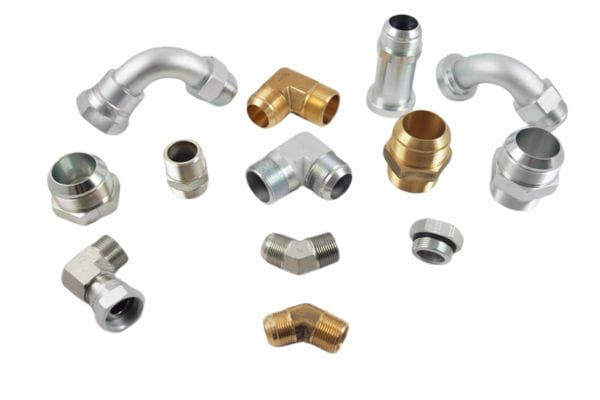
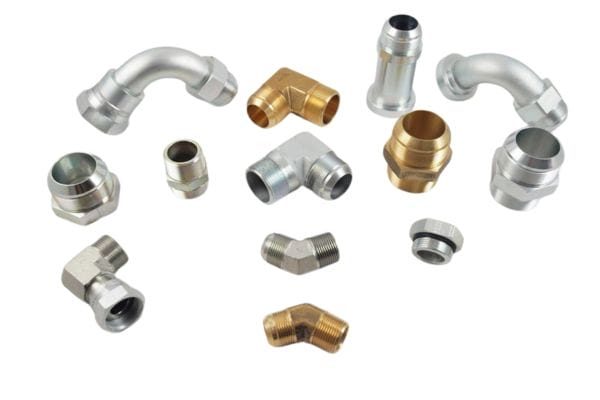
Hydraulic adapters connect hose ends, tubes, ports, and other components using the required interface, size, and configuration. They may join matching connections or transition between different connection systems.

Select each adapter by the connection standard, thread size, male or female orientation, and sealing method at every end. Material, operating conditions, and installation dimensions should also be confirmed before ordering.

NPT/NPTF Hydraulic Adapters

Connects specified tapered pipe-thread interfaces, with NPT or NPTF identified for each connection end.

ORFS Hydraulic Adapters

Uses an O-ring located in the male end-face groove to seal against the mating flat face.

JIC Hydraulic Adapters

Uses a 37° flare interface to form a metal-to-metal seal with the matching JIC connection.

BSP Hydraulic Adapters

Available with specified BSPP or BSPT connections, with the sealing arrangement identified for each end.

DIN hydraulic Adapters

Connects specified metric hydraulic interfaces, with the applicable DIN or ISO connection system identified by series.

Compression Hydraulic Adapter

Connects specified tubing through a matching nut and ferrule or cutting-ring system.

Hydraulic Flange Adapters

Connects a specified Code 61 or Code 62 flange interface to the required threaded or tube connection.

Hydraulic Plugs & Caps

Closes a matching hydraulic connection, with the sealing design and pressure rating specified for the intended use.

Hydraulic Brake Adapter

Connects specified brake-system interfaces, subject to confirmation of the connection geometry and application requirements.

Brass Adapters

Provides specified connection transitions in brass for compatible fluids and operating conditions.

Hydraulic Cross Adapter

Connects four hydraulic lines, with the connection type and size specified at each port.

Male Hydraulic Adapters

Joins two female connections using male ends with the specified thread and sealing interfaces.

Bulkhead Hydraulic Adapters

Carries a hydraulic connection through a panel and secures the adapter with a bulkhead mounting nut.

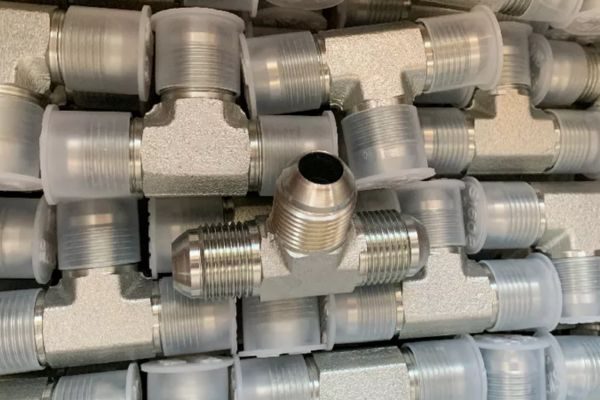
Hydraulic Tee

Creates a three-way connection with the branch and run interfaces specified separately.

Bushing/Reducer Bushing

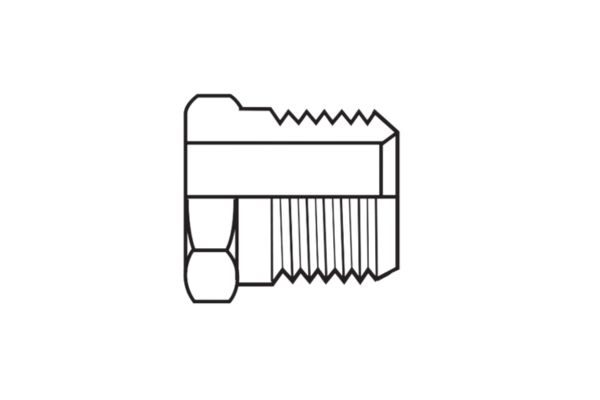
Adapts a larger female threaded port to a smaller specified female connection through an externally threaded bushing.

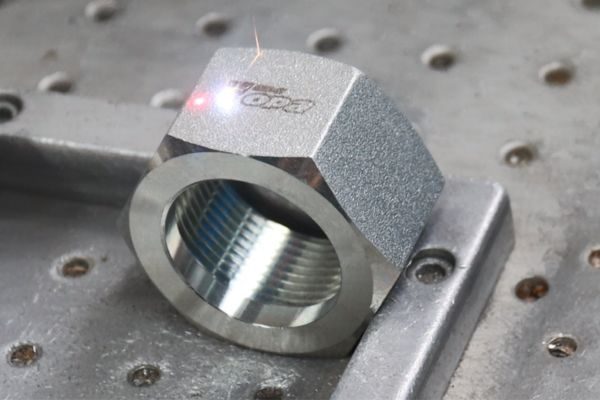
Nut

Secures the matching fitting assembly and must be selected for the specified connection system and thread size.

Hydraulic gauge adapter manufacturer china

Hydraulic Gauge Adapter

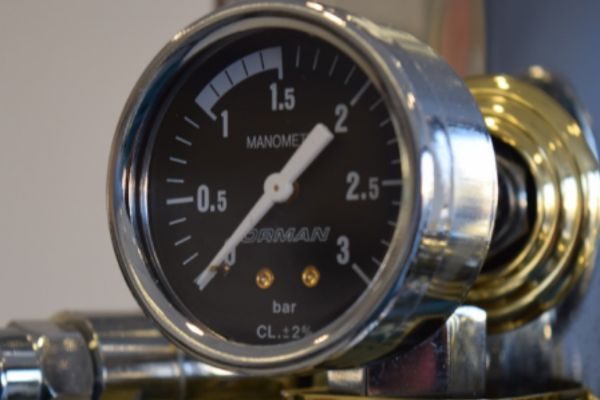
Connects a pressure gauge to a hydraulic port using the required thread and sealing interface at each end.

Hydraulic test point adapters manufacturer in china

Hydraulic Test Point Adapters

Provides a dedicated connection for compatible pressure-testing equipment at a specified point in the hydraulic circuit.

Stainless steel hydraulic fitting factory in china

Stainess Steel Hydraulic Adapter

Provides hydraulic connection transitions in a specified stainless steel grade for the required fluid and environmental compatibility.

Hydraulic swivel  fitting factroy china

Hydraulic Swivel Adapter

Uses a swivel nut to simplify assembly without turning the connected line; continuous rotation requires a separately rated swivel design.

Products Video

In this video, we showcase the extensive variety of hydraulic adapter fittings that Topa offers to meet the diverse needs of our customers. From standard thread types like BSP, NPT, and SAE, to specialized fittings like ORFS and JIC, we provide solutions for every hydraulic connection requirement. Whether you’re looking for male-to-female adapters, elbow fittings, or reducer adapters, Topa has you covered with high-quality, durable options for any application.

Our hydraulic adapter fittings are designed to provide secure, leak-free connections under varying pressures, ensuring smooth and efficient performance across industries like automotive, construction, oil and gas, and more.

Click the video to see how Topa’s hydraulic fittings work in real-world applications and contact us today for a custom quote tailored to your needs.

Application

There are many types and applications of hydraulic fitting adapters. Different hydraulic fitting adapters allow fluids to flow, change direction, divert, or mix. It is mostly used in pipes in hydraulic systems to transport fluids and provide energy for machines.

hydraulic adapters manufacturer application

Oil & Gas

Hydraulic fitting adapters are widely used in the extraction and transportation of oil and gas. Extraction and oil and gas often face many challenges and therefore place high demands on the equipment. The flexibility of adapter fittings is well suited for the extraction and transportation of oil and gas.

Hydraulic adapters suppiler application

Transportation

Hydraulic adapters are often used on trucks that require high power and durability. Hydraulic hose adapters are applied for lifting and dumping functions, making the truck easier to load and transport and more practical.

hydraulic adapters factory application

Material Handling

The hydraulic pipe adapter is a key component in material handling, and various lifting equipment, which can realize including material loading and unloading, moving, lifting, and rotating. Achieve the purpose of simplifying work to improve efficiency.

Get a Quote Based on Your Adapter Specifications

Send the connection details at each end, body configuration, material, and quantity per item. Include drawings, packaging requirements, and your required delivery date where applicable.

All You Need to Know About Hydraulic Adapter Fittings

Connection Ends
Each end is defined by its connection standard, size, male or female orientation, and sealing geometry.

Adapter Body
The body provides the flow passage and required connection layout. Overall length, hex size, bore, and installation clearance should match the assembly requirements.

Sealing Interfaces
Depending on the connection, sealing may occur at a flare seat, an O-ring face, a port seal, or a tapered thread interface. The correct sealing method must be identified separately for each end.

Assembly Features
Some adapters include swivel nuts, locknuts, or adjustable stud ends to support installation. These features do not automatically make the adapter suitable for continuous rotation in service.

Components of an adapter Topa
Hydraulic Adapters materials

Materials

Carbon Steel
Commonly selected for industrial hydraulic adapters where mechanical strength and cost efficiency are required. Specify the material grade and protective finish.

Stainless Steel
Selected where fluid compatibility and environmental corrosion resistance are important. Confirm the grade against the actual fluid, temperature, and exposure conditions.

Brass
Available for selected connection systems and compatible operating conditions. Suitability must be checked against the specific adapter design and application.

Seal Materials
For connections containing O-rings or other seals, specify the required seal material according to fluid compatibility and operating temperature.

Surface Treatment

Specify the finish by treatment type and performance requirement rather than color alone. For carbon steel adapters, zinc plating, zinc-nickel plating, or other confirmed options can be reviewed against the application.

For stainless steel and brass products, confirm any required cleaning, passivation, or other material-specific treatment.

Where corrosion testing is required, agree on the test method and acceptance criteria before ordering. Coating requirements should also account for thread fit, sealing surfaces, and identification markings.

Advantages of Hydraulic Adapter

Easier Thread Conversion

Quickly connect different thread standards such as BSP, NPT, JIC, ORFS, and Metric without redesigning your system.

Faster Replacement Matching

Identify and replace existing adapters more efficiently with standardized sizes and clear thread options.

Stable Sealing Performance

Accurate thread machining and sealing surface control help reduce leakage risks.
Maintain reliable performance under high pressure and repeated use.

Better Batch Consistency

Strict control on thread tolerance and dimensions ensures repeat orders stay consistent.
Avoid variation issues between different batches in long-term supply.

Flexible Material and Coating Options

Available in carbon steel, stainless steel, and brass to match different environments.
Support multiple surface treatments such as zinc plating, zinc nickel, and other coatings for corrosion resistance.

Support for OEM Drawings and Small Trial Orders

Custom production based on drawings or samples.
Flexible support for small trial orders before bulk production to reduce procurement risk.

Working with an Existing Adapter Reference?

Send the supplier part number, drawing, or catalog page together with connection dimensions and quantities. Reference matching should be followed by verification of both connection interfaces.

Types of Hydraulic Hose Adapter

Straight Hydraulic Hose Adapter
Straight Adapter

A straight hydraulic hose adapter is the most basic type of adapter, designed to connect two components that align in a straight line. These adapters are commonly used to connect hoses and fittings in a direct, linear fashion, without any change in direction. Straight adapters are typically used in systems where space is limited, or where the hose needs to be connected in a straight run.

Elbow Hydraulic Hose Adapter
Elbow Adapter

An elbow hydraulic hose adapter is designed to connect two hydraulic components at a 45/90-degree angle. These adapters are particularly useful in systems where space constraints or specific flow directions require a change in the angle between the components. Elbow adapters are commonly used in tight or confined spaces where a straight connection is not possible. They are available in different angles, such as 45° or 90°, and in various thread configurations (BSP, NPT, SAE) to ensure a secure, leak-free connection at the desired angle.

Swivel Hydraulic Hose Adapter
Swivel Adapter

A swivel hydraulic hose adapter features a rotating mechanism that allows the fitting to rotate independently of the hose. This design provides flexibility and ease of installation, as the adapter can rotate to adjust the angle of the hose without twisting or damaging the hydraulic hose itself. Swivel adapters are particularly useful in systems where the hose needs to be routed around tight corners or in applications where movement or vibration is expected. They help prevent hose kinks and minimize stress on the hose, improving overall system longevity and performance.

Tee Hydraulic Hose Adapter
Tee Adapter

A tee hydraulic hose adapter allows for the connection of three hydraulic lines, creating a branching point in the system. These adapters are commonly used when fluid needs to be diverted to multiple components from a single line, effectively distributing the hydraulic fluid. Tee adapters are typically used in systems where you need to supply fluid to different parts of a machine or equipment, such as in machinery cooling systems or fluid control systems. They come in various sizes and configurations, including equal tee (where all outlets are the same size) and reducer tee (where one outlet is smaller than the others).

cross Hydraulic Hose Adapter
Cross Adapter

A cross hydraulic hose adapter is a fitting that connects four hydraulic lines in the shape of a cross. These adapters are typically used when a system requires a central connection point to direct hydraulic fluid in four different directions. Cross adapters are commonly used in more complex hydraulic systems, such as hydraulic manifolds, fluid control systems, or applications that require multiple outlets from a central location. Like tee adapters, cross fittings are available in various sizes and configurations to ensure compatibility with different hydraulic systems.

bulkhead Hydraulic Hose Adapter
Bulkhead Adapter

A bulkhead hydraulic hose adapter is used to pass a hydraulic line through a panel, wall, or divider while maintaining a secure connection. Bulkhead adapters are essential for creating an airtight, leak-proof seal where hoses need to be routed from one side of a partition to another, such as through machinery enclosures, panels, or hydraulic reservoirs. They are commonly used in applications where the hydraulic lines need to be routed through barriers or enclosed spaces without compromising the integrity of the system or exposing the hose to external elements.

Avoid Common Pitfalls

At Topa, we are committed to providing quality, reliable and customized hydraulic hose adapters. By choosing Topa, you can be sure that you are receiving a quality product manufactured to international standards.

BSP vs NPT Confusion

BSP and NPT threads may look similar but use different thread angles and sealing methods. Using the wrong type can cause immediate leakage or damage the connection.

Wrong Thread Pitch

Even if the diameter looks correct, incorrect thread pitch will prevent proper tightening. This often leads to loose connections or thread damage.

Wrong Seat Type

Adapters may use different sealing methods such as 37° flare, 60° cone, or flat face with O-ring. Mismatch leads to sealing failure even when threads fit.

Thread Matches but Seal Does Not

A common mistake is focusing only on thread compatibility while ignoring sealing design. This results in hidden leakage under pressure.

Wrong Material for Corrosive Fluid

Using carbon steel in corrosive environments can lead to rust, contamination, and early failure. This is common in agriculture, marine, and chemical systems.

Wrong Coating for Outdoor Service

Standard zinc plating may not provide enough protection in outdoor or high-humidity conditions. This can cause surface corrosion and shorten service life.

How to Customize Hydraulic Adapters

Each hydraulic fitting is checked through a series of inspection and testing procedures to ensure consistent performance, reliable sealing, and long service life in hydraulic systems.

NPTF Thread

Thread Standard and Connection Type

Specify both sides of the adapter clearly.

Thread type: BSP / NPT / JIC / ORFS / Metric

Male or female connection

Straight, elbow, tee, or special structure

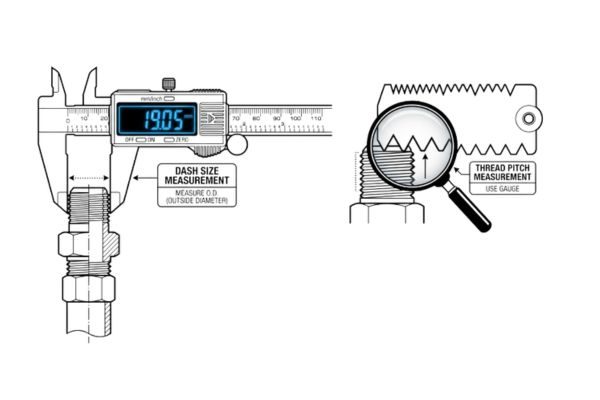
measure Thread size and pitch

Size and Key Dimensions

Accurate sizing prevents installation problems.

Thread size (e.g., 1/4", 1/2", M18×1.5)

Overall length (if required)

Hex size or special dimension requirements

pressure drop

Working Pressure and Application

This helps select the correct material and structure.

Working pressure range

Fluid type (oil, water, chemical, etc.)

Application (construction, agriculture, industrial, etc.)

hydraulic tee adapter storage

Surface Treatment / Coating

Coating affects corrosion resistance and service life.

Zinc plating

Zinc nickel plating

Other special coatings

Hydraulic Adapters materials

Material Requirement

Choose based on environment and cost.

Carbon steel (general use)

Stainless steel (corrosive environments)

Brass (low pressure or specific applications)

Custom logo

Packaging and Logo Requirements

For OEM branding and distribution.

Custom logo marking

Packaging type

Label requirements

Plan Your Hydraulic Adapter Supply

Share your multi-SKU list, quantities, delivery requirements, and replenishment schedule to discuss a coordinated quotation and supply plan.
Choose Topa

More Than Just a Hydraulic Fittings Manufacturer

Topa Services highlight our commitment to delivering quality, flexibility, and customer satisfaction. Whether you need custom solutions, fast delivery, or expert advice, we are here to support your hydraulic needs.

Custom Manufacturing

We provide custom hydraulic adapters tailored to your specific requirements, including material, size, and threads.

Logo Customization

Add your company logo to hydraulic fittings for personalized branding and professional presentation.

Technical Support

Our expert team offers technical assistance to help you select the right hydraulic components for your needs.

Multi-SKU Quotation

Organize pricing by your hydraulic fitting part number, specification, quantity, and packaging requirement.

Specification Records

Confirm the approved hydraulic product details used for order processing and repeat purchasing.

Shipping Options

Choose from a variety of shipping methods, including express, standard, and international shipping.

Product Testing

Each hydraulic adapter fitting undergoes rigorous testing for quality assurance, ensuring performance under pressure.

After-Sales Support

We provide comprehensive after-sales support, including installation guidance to ensure your satisfaction.

Choose Topa

Manufacturing Process

From raw material to final inspection, every hose fitting goes through controlled machining steps to help you get stable quality and reliable batch consistency.

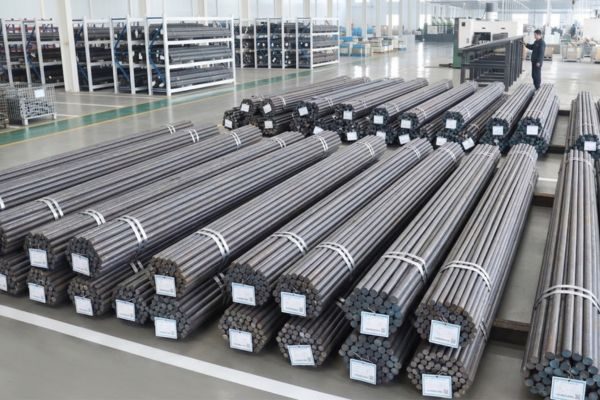
Raw Material Area

Raw Material Check

We inspect the steel material before production to keep size, strength, and surface quality under control from the start.

hydraulic fittinf material cutting

Cutting

The raw material is cut into the right size for each fitting type to support accurate follow-up machining.

CNC robotic machine Topa

CNC Machining

Each fitting body is machined on CNC equipment to keep dimensions stable and improve thread accuracy.

CNC machine hydraulic fitting

Thread Machining

Threads are processed carefully so the fitting can connect correctly and seal better in hydraulic systems.

6. fitting galvanize Topa

Surface Treatment

The fittings go through surface treatment to improve corrosion resistance and keep a cleaner product finish.

measure ORS Hydraulic fittings Topa

Inspection and Packing

Finished fittings are checked before packing to reduce quality risk and support safer delivery.

Quality Check

Each hydraulic fitting is checked through a series of inspection and testing procedures to ensure consistent performance, reliable sealing, and long service life in hydraulic systems.

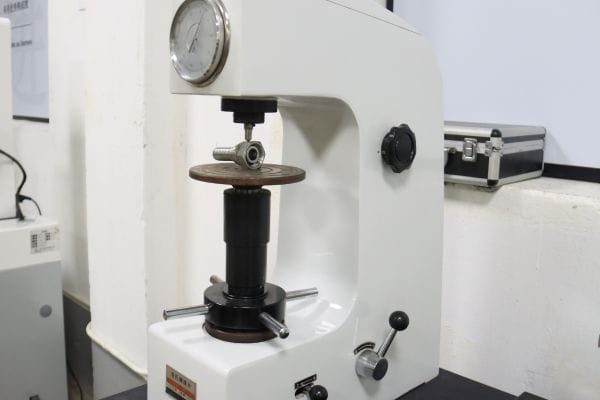
hardness test Topa

Hardness Testing

Material hardness is tested to ensure the fitting has the required strength and durability. Proper hardness helps prevent deformation, cracking, or failure under high-pressure working conditions.

Spectrometer Topa

Surface Roughness Testing

Surface roughness is inspected to ensure proper sealing performance. A controlled surface finish helps reduce leakage risks and improves connection reliability.

profile projector test Topa

Profile Inspection

Profile testing is used to verify the shape and angle of threads and sealing surfaces. This ensures that each fitting matches standard specifications such as JIC, BSP, or ORFS connections.

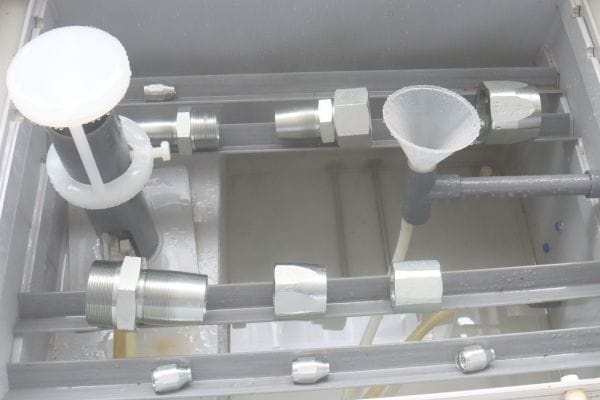
Hydraulic Fitting Salt Spray Test

Salt Spray Testing

Salt spray testing evaluates corrosion resistance of the plated surface. This helps ensure the fittings can perform reliably in humid, outdoor, or harsh operating environments.

FAQ

What are hydraulic adapter fittings?

Hose pipe adapters connect the tubes in the hydraulic system together. Suitable for joining two or more thread types together.

What Is the most common thread type of hydraulic adapters?

Hydraulic pipe adapters have a wide variety of thread types and sealing types.

What are hydraulic plugs?

Hydraulic plugs and caps are adapters that protect the open end of hydraulic hoses from damage. Connect to the hydraulic hose fittings, they form a seal to prevent the ingress of dirt and also prevent damage to the threads.

What are the different types of hydraulic adapters?

The three types commonly used are as follows: metal to metal seals, O-ring seals and tapered thread seals.

How to choose hydraulic adapter fittings?

Usually, 7 aspects need to be considered: thread, seal, size, pressure, temperature range, fluid type, and whether it is connected to high-vibration applications.

Where are hydraulic adaptors used?

Hydraulic adaptors are commonly used to connect pipes and hoses in hydraulic systems. 

What material are hydraulic adaptors made of?

Hydraulic adaptos made from different materials have different characteristics.

How do I know what size hydraulic fittings I need?

Use the thread gauge to measure the thread type of the fitting you have in hand.

Are hydraulic adapter fittings standard?

Topa does not only offer standard adapters but also customized products.

How do hydraulic fittings and adapters differ?

Hydraulic fittings are fittings that install pipes and tubes into hydraulic systems.

Hydraulic adapter fittings help to connect at least two kinds of threads together. It is possible to connect two fittings that would otherwise not match.

Get More Information About Products

hydraulic adapter catalog

Contact Topa

Save 30% on maintenance costs with our easy-install hydraulic fittings. Contact Now!